
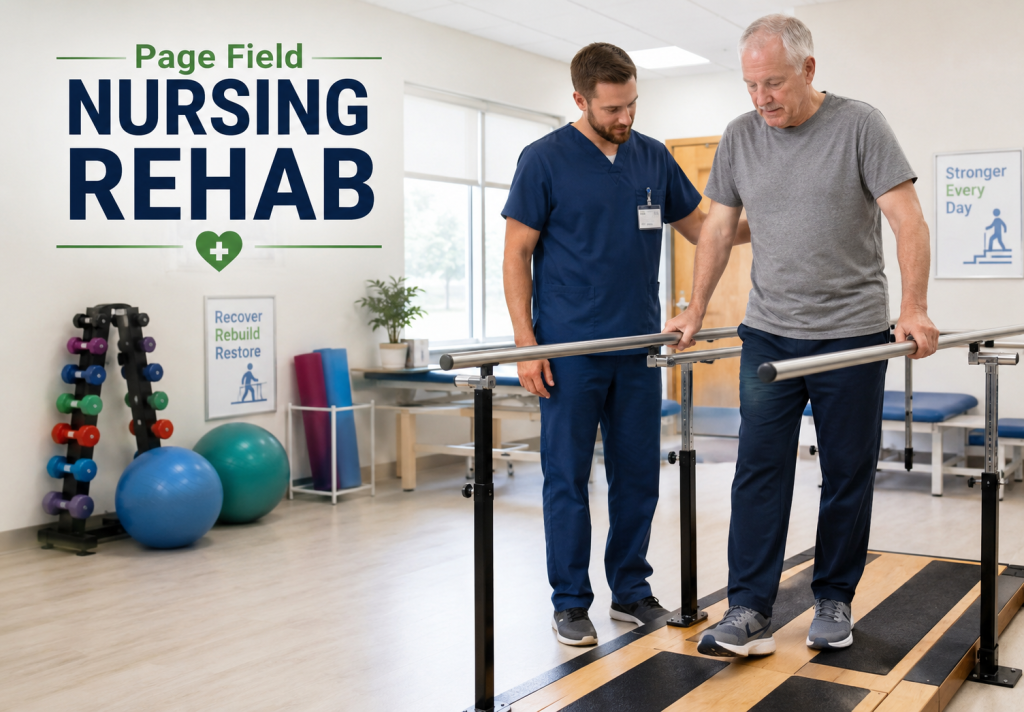
 Page Field Nursing Rehab: Compassionate Nursing and Rehabilitation Care
When a patient needs more support than can be provided at home, page field nursing rehab services can offer an important combination of skilled nursing, rehabilitation, personal assistance, and ongoing care. The goal is to help patients recover safely, maintain their independence, and achieve the highest possible quality of life.
Nursing and rehabilitation services are often needed after surgery, illness, injury, hospitalization, or a major change in a person’s physical abilities. A well-planned rehabilitation program brings together healthcare professionals who understand the patient’s condition and create care around individual needs.
Whether someone needs short-term rehabilitation after a hospital stay or ongoing nursing support, choosing the right care environment can make the recovery process easier for patients and their families.
What Is Page Field Nursing Rehab?
Page field nursing rehab refers to nursing and rehabilitation care designed to support people who require medical supervision and assistance while recovering or managing ongoing health needs. These services may include skilled nursing, physical therapy, occupational therapy, medication management, mobility assistance, and help with daily activities.
Rehabilitation is not simply about treating an injury. It is about helping a person regain strength, confidence, mobility, and independence.
A comprehensive nursing rehab program may be appropriate for people recovering from:
- Surgery
- Falls and injuries
- Joint replacement
- Stroke
- Serious illness
- Orthopedic conditions
- Neurological conditions
- Extended hospital stays
- Mobility limitations
- Age-related physical challenges
The specific services a patient receives depend on their medical condition, physician recommendations, rehabilitation goals, and level of independence.
Skilled Nursing Care in Rehabilitation
Skilled nursing is an important part of many rehabilitation programs. Nurses provide professional medical care while monitoring changes in a patient’s condition and communicating with physicians and other members of the care team.
Skilled nursing services may include medication management, wound care, vital-sign monitoring, injections, post-surgical care, nutritional support, and assistance with chronic medical conditions.
Nurses also play an important role in educating patients and families. Understanding medications, mobility precautions, nutrition, follow-up appointments, and warning signs can help patients continue their recovery safely after leaving a rehabilitation facility.
Physical Therapy and Rehabilitation
Physical therapy is often one of the most important components of nursing rehabilitation. Patients who have spent significant time in the hospital or who have experienced an injury may lose muscle strength, balance, flexibility, and endurance.
A physical therapist can evaluate these challenges and develop exercises designed around the patient’s abilities.
Physical therapy may focus on:
- Improving walking ability
- Building muscle strength
- Increasing flexibility
- Improving balance
- Reducing mobility limitations
- Improving coordination
- Increasing endurance
- Teaching safe movement techniques
- Supporting a return to everyday activities
The purpose is not simply to complete exercises. The larger goal is to help patients become safer and more independent in their daily lives.
Occupational Therapy for Daily Independence
Occupational therapy can help patients relearn or adapt to everyday activities following an illness, injury, or surgery.
A patient may have difficulty dressing, bathing, preparing meals, using the bathroom, or performing household tasks. Occupational therapists work with patients to improve these skills or identify practical strategies and equipment that can make activities easier.
Depending on individual needs, occupational therapy may address:
- Personal hygiene
- Dressing
- Eating
- Household activities
- Fine motor skills
- Coordination
- Cognitive skills
- Home safety
- Adaptive equipment
This type of rehabilitation can be especially valuable for patients who want to return home and live as independently as possible.
Speech and Cognitive Rehabilitation
Some patients require speech, swallowing, communication, or cognitive rehabilitation. These services can be particularly important following neurological conditions or other illnesses that affect communication and swallowing.
A speech-language professional may help with communication skills, memory, problem-solving, speech clarity, or swallowing safety.
Treatment is individualized because every patient’s abilities and recovery goals are different.
Who Can Benefit From Nursing Rehab?
Nursing rehabilitation can benefit people with many different care needs. Some patients may require only a short rehabilitation stay, while others may need longer-term nursing support.
Patients commonly receive rehabilitation after hospitalization because illness, surgery, or prolonged inactivity can significantly affect physical strength.
For example, someone recovering from hip or knee replacement may need assistance with walking and exercises before returning home. Another patient recovering from a stroke may require physical, occupational, and speech therapy.
Older adults may also benefit from rehabilitation after a fall. The care team can focus on strength, balance, mobility, and safety to help reduce the risk of future falls.
Benefits of Page Field Nursing Rehab
A structured nursing and rehabilitation program can provide several benefits for patients and their families.
Professional Medical Support
Patients have access to trained healthcare professionals who can monitor their condition and provide appropriate care.
Personalized Rehabilitation
Therapy and nursing services can be adjusted according to the patient’s abilities, progress, and goals.
Improved Mobility
Physical rehabilitation can help patients regain strength, balance, coordination, and confidence.
Greater Independence
Occupational and physical therapy can help people become more capable of managing daily activities.
Safer Recovery
Professional supervision can reduce some of the risks associated with recovering alone, particularly for patients with significant mobility or medical needs.
Family Peace of Mind
Knowing that a loved one is receiving professional care can provide families with reassurance during the recovery process.
What to Expect During a Nursing Rehab Stay
Every rehabilitation experience is different, but the process generally begins with an assessment. Healthcare professionals review the patient’s medical history, current abilities, medications, mobility, and rehabilitation needs.
The care team then develops an individualized plan.
A typical day may include nursing care, medication administration, therapy sessions, meals, personal care, rest, and other activities. The schedule depends on the patient’s condition and treatment plan.
Progress is monitored throughout the stay. Therapy goals may be adjusted as the patient becomes stronger or develops new abilities.
The ultimate objective is to help the patient reach a safe and realistic level of independence.
Choosing the Right Nursing Rehabilitation Facility
Selecting a nursing rehab facility is an important decision. Families should consider the patient’s medical requirements, rehabilitation goals, location, services, staff, and overall environment.
When evaluating a facility, ask about:
- Nursing services available
- Physical therapy programs
- Occupational therapy
- Speech therapy
- Staff qualifications
- Rehabilitation schedules
- Medication management
- Care planning
- Family communication
- Safety procedures
- Discharge planning
It is also useful to understand how the facility measures patient progress and communicates changes in care.
A good rehabilitation environment should treat patients with dignity and respect while providing appropriate clinical support.
Importance of Individualized Care Plans
No two patients recover in exactly the same way. Age, medical history, physical condition, motivation, and personal circumstances can all influence recovery.
For this reason, individualized care is essential.
A personalized care plan can identify specific goals such as walking a certain distance, safely transferring from a bed to a chair, managing personal hygiene, or preparing to return home.
The care team can review progress regularly and make appropriate changes.
Rehabilitation After Surgery
Many surgical procedures require rehabilitation before a patient can safely return to normal activities.
After orthopedic procedures such as joint replacement, rehabilitation may focus on strength, flexibility, walking, and safe movement.
Post-surgical nursing care may also include monitoring the surgical site, managing medications, observing for complications, and helping patients follow physician instructions.
Following the recommended rehabilitation plan can support a smoother transition from hospital care to home.
Rehabilitation After a Hospital Stay
Hospitalization can leave patients physically weak, particularly when they have spent several days or weeks in bed.
Even when the original illness has improved, a patient may still struggle with walking, balance, endurance, or everyday activities.
Nursing rehabilitation provides a bridge between hospital treatment and independent living. Patients can receive continued medical oversight while participating in therapy designed to rebuild their abilities.
The Role of Families in Recovery
Family involvement can be valuable throughout rehabilitation. Relatives can encourage patients, participate in care discussions, learn about discharge instructions, and help prepare the home environment for a safe return.
Families should communicate openly with the healthcare team about concerns and questions.
Understanding the patient’s rehabilitation goals can also make it easier for everyone to provide consistent support.
Preparing for a Safe Return Home
Discharge planning should begin well before a patient leaves rehabilitation. The healthcare team may evaluate mobility, medication needs, equipment requirements, and home safety.
Depending on the situation, patients may need equipment such as walkers, wheelchairs, shower chairs, grab bars, or other assistive devices.
The care team may also recommend continued therapy or nursing services after discharge.
A carefully planned transition can help patients maintain their progress after leaving the rehabilitation setting.
Long-Term Nursing and Rehabilitation Support
Not every patient needs short-term rehabilitation. Some individuals require ongoing nursing support because of chronic conditions, disabilities, or complex care needs.
Long-term care may involve medication assistance, personal care, nutritional support, mobility assistance, and monitoring of ongoing health conditions.
The focus should remain on comfort, dignity, safety, and quality of life.
Questions to Ask Before Choosing Nursing Rehab
Before selecting a rehabilitation provider, families should ask clear questions about the available services and the patient’s expected care.
Important questions include:
- What nursing services are available?
- Which rehabilitation therapies are provided?
- How often will the patient receive therapy?
- How is each patient’s care plan developed?
- How is progress measured?
- How does the facility communicate with families?
- What happens when the patient is ready for discharge?
- Are follow-up services available after discharge?
Getting clear answers can make it easier to compare care options and select an appropriate rehabilitation environment.
Why Quality Nursing Rehab Matters
Quality rehabilitation combines medical care with practical support for everyday independence. Patients need more than treatment for a medical condition; they often need encouragement, education, therapy, and a safe environment where they can rebuild their abilities.
An experienced care team works together to address the whole patient. Nurses, therapists, physicians, aides, and families can all contribute to a coordinated recovery plan.
The best approach is one that respects the patient’s goals while maintaining appropriate safety and medical oversight.
Frequently Asked Questions About Page Field Nursing Rehab
What is nursing rehabilitation?
Nursing rehabilitation combines skilled nursing care with therapeutic services designed to help patients recover from illness, injury, surgery, or hospitalization.
How long does rehabilitation take?
The length of rehabilitation varies. Some patients may need several weeks, while others require longer support. Recovery depends on the patient’s medical condition, functional abilities, and progress.
Does rehabilitation include physical therapy?
Many nursing rehabilitation programs include physical therapy. Depending on the patient’s needs, occupational and speech therapy may also be provided.
Can rehabilitation help patients return home?
Yes. One major goal of rehabilitation is to help eligible patients regain the skills and strength needed to return home safely and function as independently as possible.
What should I bring to a rehabilitation facility?
Patients may need comfortable clothing, personal hygiene items, medications or medication information, mobility equipment if recommended, identification, and important medical documents. The facility should provide a specific list before admission.
Is nursing rehab only for older adults?
No. People of different ages may require nursing rehabilitation following surgery, illness, injury, or other medical events. Eligibility depends on individual care needs.
Final Thoughts on Page Field Nursing Rehab
Choosing the right page field nursing rehab services can be an important step toward recovery, improved mobility, and greater independence. Skilled nursing provides medical support, while physical, occupational, and speech therapies can help patients rebuild important abilities.
A successful rehabilitation experience starts with individualized care. Patients and families should look for a professional environment that emphasizes safety, dignity, communication, measurable goals, and coordinated healthcare.
Whether rehabilitation is needed after surgery, hospitalization, injury, or a serious illness, the right care plan can help patients move forward with greater confidence. Working closely with healthcare professionals and family members can make the transition from medical treatment to everyday life more organized and manageable.
If you are researching nursing and rehabilitation options, take time to understand the services available, ask questions about individualized care, and discuss the most appropriate setting with the patient’s healthcare provider. The right rehabilitation plan should always reflect the patient’s medical needs, personal goals, and path toward a safer and more independent future.