
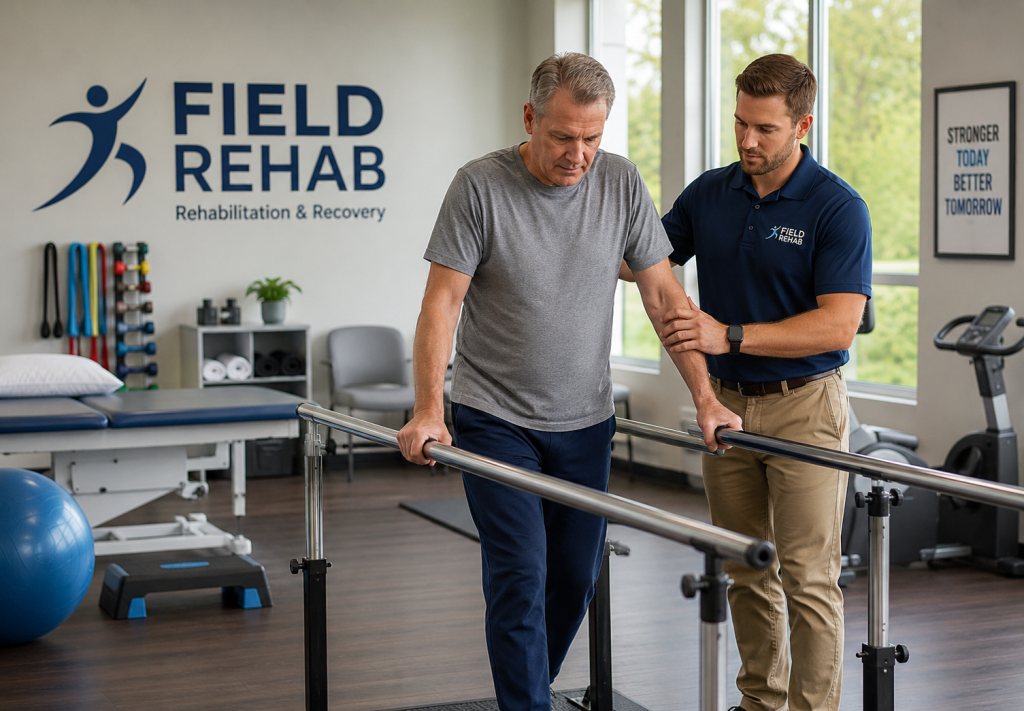
 Page Field Rehab: Comprehensive Guide to Rehabilitation and Recovery Services
When an injury, illness, surgery, or medical condition makes everyday activities difficult, the right rehabilitation program can help you regain strength, mobility, confidence, and independence. Page Field Rehab provides a convenient starting point for individuals and families looking for rehabilitation services near Page Field and the surrounding Fort Myers, Florida area.
Rehabilitation is not simply about recovering from an injury. It is a personalized process designed to help people improve physical function, manage pain, rebuild endurance, and safely return to their normal routines. Depending on your needs, rehabilitation may include physical therapy, occupational therapy, recovery support, mobility training, and other healthcare services.
Whether you are recovering after surgery, dealing with an injury, or helping an older family member regain independence, understanding your rehabilitation options can make the recovery process easier to navigate.
What Is Page Field Rehab?
Page Field rehab generally refers to rehabilitation services available in and around the Page Field area of Fort Myers. These services can support people who need assistance recovering from injuries, surgeries, illnesses, mobility limitations, or age-related changes.
A rehabilitation program should be based on the individual’s condition, goals, medical history, and current level of function. Some people may need short-term rehabilitation after hospitalization, while others may benefit from longer-term therapy to improve strength, balance, or independence.
The goal is not simply to complete exercises. A quality rehabilitation program focuses on helping each person make meaningful progress toward everyday activities and a better quality of life.
Why Rehabilitation Is Important
Recovery can be challenging when pain, weakness, stiffness, or limited mobility interferes with daily activities. Professional rehabilitation provides structured support during this process.
Rehabilitation can help individuals:
- Improve strength and flexibility
- Increase balance and coordination
- Restore mobility after an injury or surgery
- Improve walking ability
- Reduce limitations caused by pain or weakness
- Build endurance and physical confidence
- Practice safe movement techniques
- Become more independent with daily activities
- Reduce the risk of future injury
- Return to hobbies, work, and normal routines
A carefully designed rehabilitation plan can also give patients measurable goals. Instead of wondering whether recovery is progressing, patients can work with healthcare professionals to track improvements over time.
Types of Rehabilitation Services Available Near Page Field
Rehabilitation can involve several different types of therapy. The appropriate services depend on an individual’s diagnosis and goals.
Physical Therapy
Physical therapy is one of the most common forms of rehabilitation. Physical therapists work with patients to improve movement, strength, balance, flexibility, and physical function.
Physical therapy may be recommended after:
- Orthopedic surgery
- Joint replacement
- Sports injuries
- Falls
- Fractures
- Muscle injuries
- Back or neck problems
- Neurological conditions
- Long periods of inactivity
Treatment may include therapeutic exercises, stretching, balance activities, mobility training, and education about safe movement.
Occupational Therapy
Occupational therapy focuses on helping people perform everyday activities as independently and safely as possible.
For someone recovering from an illness or injury, simple tasks such as dressing, bathing, preparing food, or moving around the home may suddenly become difficult. Occupational therapy can help individuals practice these activities and develop strategies for managing limitations.
Post-Surgical Rehabilitation
Recovery does not necessarily end when surgery is completed. Rehabilitation is often an important part of the healing process.
Post-surgical rehabilitation may help patients gradually restore movement and strength while learning how to use the affected body part safely. The exact program depends on the type of surgery and instructions from the patient’s medical team.
Senior Rehabilitation
Older adults may require rehabilitation after a fall, hospitalization, surgery, illness, or significant decline in mobility.
Senior rehabilitation can focus on strength, balance, walking, endurance, and daily living skills. Improving these abilities can make it easier for older adults to remain active and independent.
Injury Rehabilitation
Accidents and injuries can affect muscles, joints, bones, and other parts of the body. Rehabilitation helps patients work toward restoring function while reducing unnecessary strain during recovery.
The rehabilitation approach depends on the type and severity of the injury.
Who Can Benefit From Page Field Rehab?
Rehabilitation is appropriate for many different people. It is not limited to athletes or individuals recovering from major surgery.
People who may benefit include those recovering from:
- Hip or knee replacement
- Fractures
- Falls
- Joint injuries
- Muscle strains
- Back injuries
- Neurological conditions
- Serious illness
- Hospitalization
- Reduced physical activity
- Balance problems
- Mobility difficulties
A physician or other qualified healthcare professional can help determine whether rehabilitation is appropriate and what type of therapy may be beneficial.
What to Expect During Rehabilitation
Starting rehabilitation can feel unfamiliar, especially after an injury, surgery, or hospitalization. Knowing what to expect can make the experience more comfortable.
Initial Assessment
Most rehabilitation programs begin with an assessment. A qualified therapist reviews the patient’s condition, mobility, strength, symptoms, medical history, and personal goals.
The therapist may evaluate:
- Walking ability
- Balance
- Range of motion
- Muscle strength
- Coordination
- Endurance
- Ability to perform daily activities
The information collected during the evaluation helps create an individualized treatment plan.
Personalized Treatment Plan
No two patients have exactly the same recovery needs. A personalized rehabilitation plan allows treatment to focus on the areas that matter most to the individual.
For example, one person may need to improve walking after a hip replacement, while another may need balance training after a fall.
Progressive Exercises
Rehabilitation exercises are usually adjusted as the patient becomes stronger. The goal is to challenge the body appropriately without progressing too quickly.
A therapist may modify repetitions, resistance, movement patterns, or activities based on the patient’s progress.
Progress Monitoring
Recovery is a process. Therapists may monitor changes in strength, mobility, balance, endurance, and functional ability.
Regular progress assessments can help determine whether treatment goals should be continued, adjusted, or advanced.
Benefits of Choosing Professional Rehabilitation
Trying to recover without professional guidance may not always be the best approach, particularly after surgery, serious injury, or hospitalization.
Professional rehabilitation offers several advantages.
Individual Attention
A personalized program considers the patient’s specific condition and limitations rather than using a one-size-fits-all approach.
Safer Recovery
Healthcare professionals can teach patients how to perform exercises and movements correctly. This can help reduce unnecessary strain and support safer progression.
Clear Recovery Goals
Specific goals give patients something measurable to work toward. Goals may include walking a certain distance, improving balance, increasing strength, or becoming more independent with daily activities.
Greater Confidence
Physical limitations can make people afraid of falling or reinjuring themselves. Guided rehabilitation can help patients gradually rebuild confidence in their physical abilities.
Rehabilitation After a Hospital Stay
Many people experience weakness after spending several days or weeks in a hospital. Reduced activity can affect muscle strength, balance, endurance, and independence.
Rehabilitation after hospitalization can help individuals gradually return to everyday activities.
Depending on the person’s condition, therapy may include:
- Bed mobility
- Transfer training
- Walking practice
- Balance exercises
- Strength training
- Endurance activities
- Daily living activities
- Safety education
The appropriate level of rehabilitation should always be determined according to the patient’s medical condition and healthcare team’s recommendations.
How to Choose the Right Page Field Rehab Provider
Choosing a rehabilitation provider is an important decision. Patients and families should consider several factors before beginning treatment.
Look at the Services Offered
Make sure the provider offers the type of rehabilitation you need. Physical therapy, occupational therapy, post-surgical rehabilitation, and senior rehabilitation may have different requirements.
Ask About Personalized Care
A good rehabilitation program should reflect your individual condition and goals.
Consider Location
A convenient location near Page Field or your home can make attending appointments easier. Consistent participation can be important for maintaining progress.
Ask About the Treatment Process
Before starting, ask how evaluations are performed, how goals are established, and how progress is monitored.
Discuss Your Goals
Tell the rehabilitation team what you want to accomplish. Your goals may involve walking independently, returning to work, climbing stairs, exercising, or completing household activities.
Clear communication helps the rehabilitation team understand what matters most to you.
Questions to Ask Before Starting Rehab
If you are researching Page Field rehab, consider asking the following questions:
- What rehabilitation services are available?
- Do you provide physical therapy or occupational therapy?
- How is each patient’s treatment plan developed?
- How often will therapy sessions occur?
- How is progress measured?
- What should I bring to my first appointment?
- Does my physician need to provide a referral?
- What should I expect during the initial evaluation?
- How long might rehabilitation take?
- How can family members support the recovery process?
The answers will vary depending on the provider and your individual healthcare needs.
Supporting Recovery at Home
Rehabilitation does not only happen during therapy sessions. Following professional recommendations at home can also be an important part of recovery.
Patients may be encouraged to:
- Follow their prescribed exercise program
- Use mobility equipment correctly
- Follow safety recommendations
- Maintain appropriate activity levels
- Attend scheduled appointments
- Communicate changes in symptoms
- Follow medical instructions
- Get adequate rest
- Maintain healthy nutrition and hydration when appropriate
Never add new exercises or significantly increase activity without discussing it with your healthcare professional, especially after surgery or a serious medical condition.
The Role of Family in Rehabilitation
Family members and caregivers can provide valuable encouragement during recovery. Some patients may feel frustrated when progress is slower than expected.
Support can include helping with transportation, encouraging attendance at therapy sessions, creating a safe home environment, and celebrating improvements.
However, caregivers should avoid pushing patients beyond the limits established by their healthcare professionals. Recovery should be gradual and appropriate for the individual’s condition.
When Should You Consider Rehabilitation?
If an injury, illness, surgery, or physical limitation is affecting your ability to move or perform everyday activities, it may be worth discussing rehabilitation with your healthcare provider.
Signs that professional rehabilitation may be helpful can include:
- Difficulty walking
- Reduced strength
- Poor balance
- Limited range of motion
- Difficulty completing daily activities
- Weakness after hospitalization
- Difficulty returning to normal activities after surgery
- Ongoing physical limitations following an injury
A healthcare professional can evaluate your situation and recommend an appropriate course of care.
Page Field Rehab for Better Mobility and Independence
The purpose of rehabilitation goes beyond treating a single symptom. The broader goal is to help individuals regain function and participate more fully in everyday life.
For some patients, success may mean walking without assistance. For others, it may mean returning to work, climbing stairs safely, getting dressed independently, or enjoying favorite activities again.
Because every person’s recovery is different, rehabilitation should be approached as an individualized process rather than a fixed schedule.
Start Your Rehabilitation Journey
Finding the right Page Field rehab services can be an important step toward improved mobility, strength, and independence. Whether you are recovering from surgery, managing an injury, rebuilding strength after hospitalization, or helping an older family member regain daily function, professional rehabilitation can provide structured guidance throughout the recovery process.
Before choosing a provider, consider the services offered, location, treatment approach, experience, and ability to create a personalized plan around your goals.
If you or a loved one is considering rehabilitation near Page Field in Fort Myers, speak with your physician or a qualified rehabilitation provider to determine which services may be appropriate for your needs.
Frequently Asked Questions About Page Field Rehab
What does Page Field rehab mean?
Page Field rehab generally refers to rehabilitation services located in or around the Page Field area of Fort Myers, Florida. Services may include physical therapy, occupational therapy, mobility training, and recovery support.
How long does rehabilitation take?
The length of rehabilitation varies significantly. It depends on the patient’s condition, treatment goals, medical history, progress, and recommendations from healthcare professionals.
Is rehabilitation only for people after surgery?
No. Rehabilitation may help people recovering from injuries, illness, falls, hospitalization, neurological conditions, mobility problems, and other physical limitations.
Can older adults benefit from rehabilitation?
Yes. Older adults may benefit from rehabilitation focused on strength, balance, walking, endurance, and independence, particularly after illness, surgery, hospitalization, or a fall.
What happens during the first rehabilitation appointment?
The first appointment commonly includes an evaluation of your condition, mobility, strength, balance, functional abilities, and goals. The therapist can then develop an individualized treatment approach.
Should I talk to my doctor before starting rehabilitation?
It is generally advisable to discuss rehabilitation with your physician or appropriate healthcare professional, particularly if you are recovering from surgery, hospitalization, or a significant medical condition.
Final Thoughts
Page Field rehab can provide an important pathway for people working to regain mobility, strength, confidence, and independence. With an individualized treatment plan and consistent participation, rehabilitation can help patients work toward meaningful functional goals.
Whether the need is physical therapy after surgery, recovery following an injury, mobility training after hospitalization, or support for an older adult, choosing an appropriate rehabilitation provider is an important part of the recovery process. Start by discussing your needs with a qualified healthcare professional and selecting services that match your condition and personal goals.